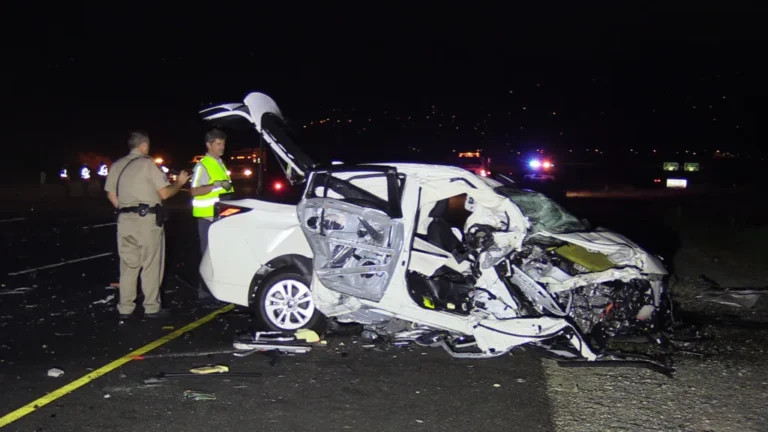

Fatal vehicle accidents can leave families facing difficult legal and emotional circumstances. When an accident results in a death and leads to vehicular homicide allegations, the legal consequences may extend beyond criminal charges. In many situations, civil liability can also become a major concern.
Civil liability refers to the legal responsibility for damages that may arise after a fatal accident. These claims are separate from criminal proceedings and can involve financial and legal consequences for those involved. For families trying to understand their rights and responsibilities, learning about civil liability is an important step in navigating the legal system.
Because these cases involve complex legal standards and multiple legal processes, individuals often benefit from guidance when evaluating their situation. Consultation with a vehicular homicide lawyer in Cumming, Georgia can help clarify how criminal cases and civil liability may intersect under Georgia law.
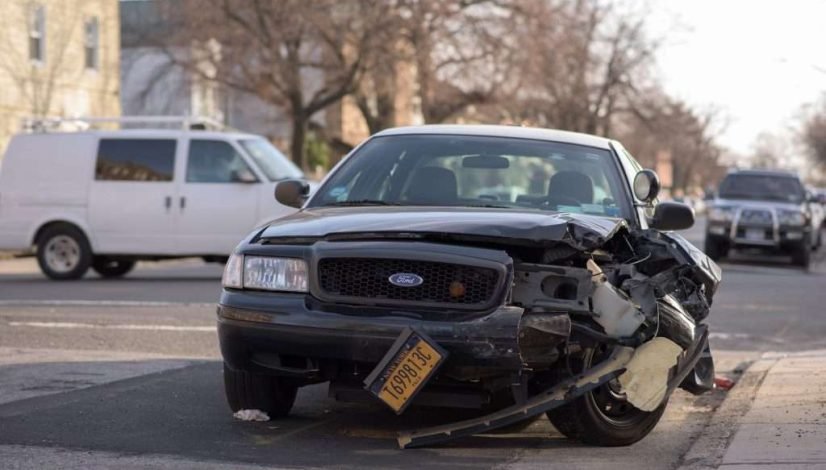
What Is Civil Liability in Vehicular Homicide Cases?
Civil liability generally refers to legal responsibility for harm or damages caused to another person. When a fatal vehicle accident occurs, surviving family members may pursue civil claims if negligence or unlawful behavior contributed to the incident.
Civil claims differ from criminal charges. Criminal cases focus on whether a law was violated and whether penalties should be imposed. Civil cases focus on determining liability and whether damages may be awarded to affected parties.
For individuals seeking clarity about understanding vehicular homicide laws in Cumming GA, recognizing the difference between criminal prosecution and civil liability is essential. Both processes can occur simultaneously, but each follows different legal procedures and standards of proof.
How Civil Claims Arise After a Fatal Accident
After a vehicular homicide investigation begins, family members of the deceased may consider filing civil claims related to the accident. These claims typically involve allegations that negligence or reckless behavior contributed to the fatal collision.
Examples of circumstances that may lead to civil liability include:
- Reckless or aggressive driving
- Driving under the influence of alcohol or drugs
- Distracted driving
- Excessive speeding
- Violations of traffic laws
In such cases, courts examine whether the driver’s actions directly contributed to the fatal outcome. When families seek to understand how these claims work, legal insight from a vehicular homicide lawyer in Cumming, Georgia may help explain how civil liability is evaluated in Georgia courts.
The Difference Between Criminal Charges and Civil Liability
Vehicular homicide cases often involve two separate legal paths: criminal proceedings and civil lawsuits. Although these cases may arise from the same accident, their goals and procedures differ significantly.
Criminal Proceedings
Criminal cases focus on determining whether the accused violated Georgia law and whether penalties such as fines or other consequences should apply.
Civil Lawsuits
Civil lawsuits focus on compensation for losses experienced by surviving family members. Courts evaluate whether negligence or misconduct contributed to the accident and whether damages should be awarded.
When learning about understanding vehicular homicide laws in Cumming GA, it becomes clear that the outcome of a criminal case does not automatically determine the outcome of a civil case. Each process relies on different legal standards and evidence.
An attorney criminal defense in Cumming, Georgia may help explain how these parallel legal processes interact and what individuals should expect during both proceedings.
Types of Civil Claims That May Follow Vehicular Homicide
Civil lawsuits related to fatal vehicle accidents often fall under wrongful death or related claims. These cases seek to determine whether a driver’s actions caused harm that resulted in the loss of life.
Common types of civil claims include:
Wrongful Death Claims
These claims allow surviving family members to seek compensation when a death results from another person’s negligence or unlawful behavior.
Survival Actions
Survival actions focus on damages experienced by the victim before death, such as medical expenses or other losses resulting from the accident.
Negligence Claims
Negligence claims examine whether a driver failed to exercise reasonable care while operating a vehicle.
Understanding these claims can help families better navigate legal decisions following a fatal accident. Insight from a vehicular homicide lawyer in Cumming, Georgia may help clarify how these claims are evaluated within Georgia’s legal framework.
Evidence Used in Civil Liability Cases
Civil liability cases often rely on detailed evidence to determine whether negligence contributed to the fatal accident. Courts may evaluate a wide range of evidence, including:
- Police accident reports
- Traffic camera or surveillance footage
- Witness statements
- Accident reconstruction analysis
- Vehicle damage assessments
- Data from vehicle event recorders
This evidence helps establish whether a driver’s actions contributed to the fatal collision. For those focused on understanding vehicular homicide laws in Cumming GA, reviewing the role of evidence is essential to understanding how courts assess liability.
A legal professional specializing in attorney criminal defense in Cumming, Georgia may also review this evidence to determine how it could influence both criminal and civil proceedings.
How Insurance and Liability May Interact
Insurance policies often play a role in civil claims following fatal vehicle accidents. Insurance coverage may influence how damages are addressed in civil litigation.
Courts may consider factors such as:
- The driver’s insurance policy limits
- Liability coverage related to the accident
- Whether additional parties may share responsibility
These factors can affect how civil cases proceed and how compensation claims are evaluated. Because these issues can become legally complex, consultation with a vehicular homicide lawyer in Cumming, Georgia may help individuals better understand how insurance considerations interact with civil liability.
Legal Strategies in Civil Liability Cases
Civil liability cases often involve extensive legal analysis and evidence review. Attorneys representing individuals in vehicular homicide matters frequently examine accident reports, expert testimony, and investigative findings to understand the circumstances surrounding the incident.
An attorney criminal defense in Cumming, Georgia may evaluate whether evidence supports claims of negligence or whether other factors contributed to the accident. This evaluation can play a significant role in determining how both criminal and civil cases develop.
For individuals interested in understanding vehicular homicide laws in Cumming GA, reviewing legal strategies used in these cases can provide valuable insight into how courts assess responsibility and damages.
Why Legal Guidance Can Be Important
Vehicular homicide cases often involve overlapping legal issues that can be difficult to navigate without professional guidance. Families may face complex legal questions about liability, evidence, and the relationship between criminal and civil proceedings.
Consultation with a vehicular homicide lawyer in Cumming, Georgia may help individuals understand how civil liability laws apply to their situation. Legal professionals can review investigative findings, explain legal terminology, and clarify potential legal outcomes.
Because every case involves unique facts and circumstances, obtaining reliable legal information can help families make informed decisions while navigating the legal system.
Navigating Legal Options After a Vehicular Homicide Case
Fatal accident cases can create lasting legal and emotional challenges for families. Understanding how civil liability works under Georgia law can provide a clearer picture of the legal options that may follow a vehicular homicide investigation.
Learning more about understanding vehicular homicide laws in Cumming GA may help families better prepare for potential legal proceedings. Insight from an experienced vehicular homicide lawyer in Cumming, Georgia can also help clarify how courts analyze evidence and determine liability.
In situations involving complex criminal allegations, guidance from an attorney criminal defense in Cumming, Georgia may assist individuals in reviewing evidence and understanding the legal process associated with vehicular homicide cases.
Contact Information
Legal guidance may help individuals better understand their rights and responsibilities when facing serious criminal allegations or civil liability concerns after a fatal accident.
Address: 2100 Westshore Drive, Suite 119, Cumming, Georgia 30041
Email: jennifer@lawofficeofjenniferscalia.com
Phone: (470) 505-9791
FAQs
What is civil liability in a vehicular homicide case?
Civil liability refers to legal responsibility for damages caused by negligence or unlawful actions that contributed to a fatal accident. Families of the deceased may pursue civil claims to seek compensation for losses resulting from the incident.
Can civil lawsuits occur even if criminal charges are filed?
Yes. Civil lawsuits and criminal cases are separate legal processes. A criminal case focuses on determining whether laws were violated, while a civil lawsuit focuses on liability and potential compensation.
Why is it important to understand vehicular homicide laws in Cumming GA?
Understanding these laws helps families recognize how investigations, criminal charges, and civil liability claims may interact after a fatal accident. Legal guidance can help clarify rights and potential legal options during this process.