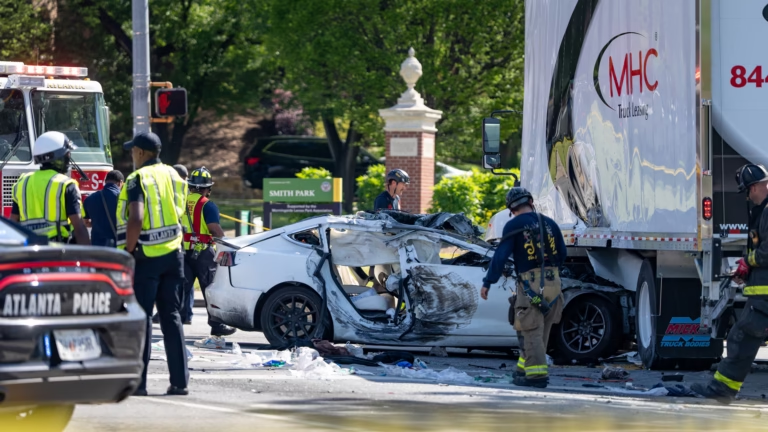

Vehicular homicide cases in Georgia are often surrounded by confusion, fear, and misinformation. When a fatal accident occurs, emotions run high, and many individuals rely on myths or assumptions rather than accurate legal knowledge. These misconceptions can lead to costly mistakes, delayed action, or misunderstandings about legal rights and responsibilities.
Understanding the reality behind vehicular homicide laws is essential for anyone facing allegations or seeking clarity after a serious accident. The following guide separates fact from fiction, explains how Georgia law approaches these cases, and highlights why informed legal guidance can make a meaningful difference.

Understanding Vehicular Homicide Under Georgia Law
Vehicular homicide in Georgia refers to a death caused by the operation of a motor vehicle in violation of traffic or criminal laws. These cases are legally complex and evaluated based on circumstances, intent, and the nature of the alleged conduct.
A vehicular homicide attorney in Cumming, Georgia often examines accident reports, witness statements, traffic violations, and forensic evidence to determine how the charge applies. Not every fatal accident results in a vehicular homicide charge, and not every charge reflects criminal intent.
Myth #1: Every Fatal Accident Automatically Leads to Vehicular Homicide Charges
Fact: A fatal accident alone does not automatically result in vehicular homicide charges.
Georgia law requires specific legal elements to be met before charges can be filed. Factors such as reckless driving, impaired operation, or violations of traffic laws may influence whether charges are pursued. Many accidents, though tragic, are legally classified as unintentional and non-criminal.
This is why early legal evaluation matters. A vehicular homicide attorney in Cumming, Georgia can assess whether the facts truly support a criminal charge or if the incident falls outside the scope of vehicular homicide law.
Myth #2: Vehicular Homicide and Vehicular Manslaughter Are the Same Thing
Fact: These terms are related but not identical.
Vehicular homicide generally focuses on deaths caused by traffic-related offenses, while manslaughter charges may involve broader allegations of negligence or recklessness. The distinction matters because it affects how prosecutors frame the case and how defense strategies are developed.
A vehicular manslaughter lawyer in Cumming, Georgia may analyze whether the alleged conduct rises to the legal threshold required for a homicide charge or whether the accusation is overstated.
Myth #3: If Alcohol or Drugs Are Involved, Conviction Is Guaranteed
Fact: Allegations of impairment do not automatically result in a conviction.
Chemical testing, field sobriety evaluations, and arrest procedures must all comply with strict legal standards. Any deviation from proper protocol can raise serious questions about evidence reliability.
A qualified vehicular homicide attorney in Cumming, Georgia often reviews testing methods, officer conduct, and constitutional compliance. Evidence that appears strong at first glance may not withstand close legal scrutiny.
Myth #4: Police Reports Always Tell the Full Story
Fact: Police reports represent one version of events, not absolute truth.
Law enforcement officers document observations based on limited information available at the scene. These reports may contain assumptions, errors, or omissions. Independent investigation can reveal overlooked details, alternate explanations, or conflicting witness accounts.
This is where professional legal insight becomes critical. A vehicular homicide attorney in Cumming, Georgia may collaborate with accident reconstruction experts to ensure all facts are properly examined.
Myth #5: Silence Equals Guilt in Vehicular Homicide Cases
Fact: Exercising legal rights does not imply guilt.
Choosing not to make statements without legal guidance is a protected right. Statements made under stress or without full understanding can unintentionally harm a defense. Remaining silent until legal counsel is involved is often a strategic and lawful decision.
Guidance from a criminal defense attorney in Cumming, Georgia can help ensure that rights are preserved while navigating interactions with law enforcement and prosecutors.
Myth #6: These Cases Are Simple Traffic Matters
Fact: Vehicular homicide cases are criminal matters with serious legal implications.
Unlike routine traffic citations, vehicular homicide allegations involve extensive investigations, prosecutorial discretion, and complex legal standards. Evidence may include surveillance footage, vehicle data recorders, forensic analysis, and expert testimony.
A vehicular manslaughter lawyer in Cumming, Georgia understands how these elements interact and how to challenge evidence that may be incomplete or misinterpreted.
Myth #7: Hiring Local Legal Guidance Does Not Matter
Fact: Local knowledge can significantly influence case outcomes.
Georgia courts apply state law, but local procedures, prosecutorial practices, and judicial expectations vary by jurisdiction. Familiarity with local courts and processes can offer valuable insight into how cases are handled.
A vehicular homicide attorney in Cumming, Georgia is often better positioned to anticipate procedural nuances and local legal expectations.
Why Accurate Legal Information Matters
Relying on myths can lead to delayed action, poor decisions, or missed opportunities to protect legal rights. Vehicular homicide cases are emotionally charged and legally demanding. Clear understanding allows individuals to respond thoughtfully rather than react impulsively.
Separating fact from fiction empowers individuals to seek appropriate guidance, ask informed questions, and approach the legal process with clarity.
When Legal Guidance Becomes Essential
Any investigation involving a fatal accident should be taken seriously from the earliest stage. Legal counsel can assist with:
- Understanding potential charges
- Preserving evidence
- Communicating appropriately with authorities
- Evaluating defense strategies
- Protecting constitutional rights
A vehicular homicide attorney in Cumming, Georgia can help ensure that legal decisions are based on facts rather than fear or misinformation.
Contact Information for Legal Guidance
For individuals seeking informed guidance regarding vehicular homicide or manslaughter allegations in Cumming, Georgia, professional legal consultation is available at:
Address: 2100 Westshore Drive, Suite 119, Cumming, Georgia 30041
Email: jennifer@lawofficeofjenniferscalia.com
Phone: (470) 505-9791
Careful legal evaluation can help clarify options, protect rights, and navigate Georgia’s criminal justice process with confidence.
Frequently Asked Questions (FAQs)
1. Can vehicular homicide charges be reduced or dismissed in Georgia?
Each case depends on evidence, circumstances, and legal procedures. In some situations, charges may be challenged based on insufficient evidence, procedural errors, or misapplication of the law.
2. How soon should legal guidance be sought after a fatal accident?
Early legal involvement is often beneficial, especially before providing statements or consenting to testing. Prompt guidance helps protect rights from the outset.
3. Does intent matter in vehicular homicide cases?
Intent plays a role in how charges are classified. Some offenses focus on negligence, while others involve reckless or impaired conduct. Understanding this distinction is critical for legal strategy.