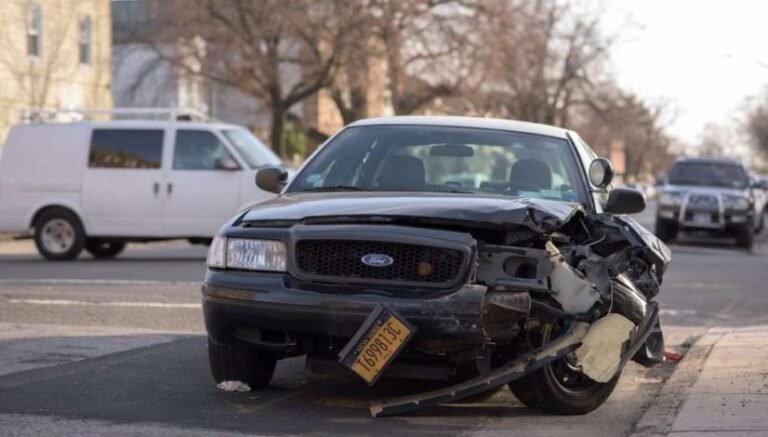

Vehicular homicide charges are among the most serious criminal allegations that can arise after a traffic accident. When a fatal collision occurs, investigators often rely on more than eyewitness testimony or physical evidence from the scene. Today, digital evidence plays a significant role in determining what happened before, during, and after a crash.
For anyone facing such allegations, understanding how digital evidence works is critical. In many cases, this type of information can either support a defense strategy or create additional legal challenges. Because of the complexity involved, individuals often seek guidance from a vehicular homicide defense attorney in Cumming, Georgia to better understand their rights and the legal options available.
This article explains how digital evidence is used in vehicular homicide cases, the types of data that may appear in court, and how it can potentially help or hurt defendants.

Understanding Vehicular Homicide Cases
Vehicular homicide generally refers to a situation in which a person dies as a result of a motor vehicle accident involving alleged criminal negligence, reckless driving, impaired driving, or other unlawful conduct.
Unlike ordinary traffic accidents, vehicular homicide investigations are treated as criminal matters. Law enforcement and prosecutors often examine every available detail to determine whether criminal liability exists.
Because these cases involve serious legal consequences, many individuals explore guidance from a vehicular homicide defense attorney in Cumming, Georgia to better understand how evidence may be interpreted and how a defense strategy might develop.
The Growing Role of Digital Evidence in Accident Investigations
Modern vehicles, smartphones, and traffic systems collect enormous amounts of data. Investigators frequently review this information to reconstruct accident events.
Digital evidence may include:
- Smartphone activity
- Vehicle data recorder information
- GPS location records
- Traffic camera footage
- Dashcam recordings
- Social media activity
- Ride-share or navigation app data
This information can help investigators establish timelines, determine vehicle speed, or identify driver behavior before the crash occurred.
Because digital evidence can significantly influence the outcome of a case, individuals sometimes consult a vehicular homicide defense attorney in Cumming, Georgia to evaluate whether the data accurately reflects what happened.
Types of Digital Evidence Often Used in Vehicular Homicide Cases
1. Vehicle Event Data Recorder (Black Box)
Many modern vehicles contain an Event Data Recorder (EDR), commonly referred to as a vehicle black box.
This device may store information such as:
- Vehicle speed before impact
- Brake usage
- Steering input
- Seatbelt status
- Acceleration patterns
In vehicular homicide investigations, black box data is frequently used to determine whether a driver attempted to brake or avoid the crash.
However, interpretation of this data requires technical analysis, and context matters. Data alone does not always explain road conditions, visibility, or sudden hazards.
2. Cell Phone Records
Mobile phones are another common source of digital evidence. Investigators may review:
- Call logs
- Text messages
- App activity
- Internet usage
- Location data
If phone activity suggests texting or app usage at the time of a crash, prosecutors may argue that distracted driving played a role.
At the same time, phone records may also demonstrate that a device was inactive during the incident. In such situations, digital evidence can help clarify what actually occurred.
3. GPS and Navigation Data
Navigation systems and smartphone apps frequently store location information.
GPS records may help determine:
- The route a driver followed
- Travel speed along a route
- Exact timestamps of movement
- Whether a driver stopped or changed direction
While GPS information can strengthen certain claims in an investigation, it may also raise questions if discrepancies appear between digital records and witness testimony.
4. Traffic Cameras and Surveillance Footage
Many intersections and roadways contain traffic cameras, surveillance systems, or nearby business cameras. These recordings may capture important moments before or after a collision.
Video evidence can sometimes show:
- Traffic signal status
- Vehicle movements
- Lane changes
- Speed patterns
In certain situations, footage may contradict initial accident reports or witness statements.
5. Social Media Activity
Although less obvious, social media posts sometimes become evidence in criminal cases. Photos, comments, or videos posted shortly before or after an accident may be reviewed during an investigation.
For example, posts that appear to reference reckless driving or impaired behavior might be introduced as part of the prosecution’s argument.
However, context matters greatly, and online posts do not always reflect real-time events.
How Digital Evidence Can Help Defendants
Digital evidence is not always harmful to a defendant. In many cases, it can actually strengthen a defense strategy.
Establishing Accurate Timelines
Digital records often include timestamps. These timestamps can clarify when certain actions occurred and may reveal discrepancies in witness accounts.
Showing Safe Driving Behavior
Vehicle data may demonstrate that a driver attempted to brake, reduce speed, or avoid a collision.
Such details can sometimes help establish that a crash was an accident rather than criminal negligence.
Identifying External Factors
Digital evidence may reveal other factors that contributed to the crash, such as:
- Sudden obstacles
- Another driver’s behavior
- Mechanical issues
- Road hazards
Because of the technical nature of these analyses, individuals often seek insight from a vehicular homicide defense attorney in Cumming, Georgia who understands how digital data may affect a legal defense.
How Digital Evidence Can Hurt Defendants
Although digital evidence may support a defense, it can also present challenges.
Distracted Driving Allegations
Phone activity during the moments leading up to a crash may be interpreted as distracted driving.
Speed or Reckless Driving Claims
Vehicle data may show high speeds or sudden acceleration patterns that prosecutors argue demonstrate reckless behavior.
Location Data Conflicts
GPS data might contradict statements given during the investigation, potentially raising credibility concerns.
These factors highlight why vehicular homicide cases often involve detailed forensic analysis of digital information.
Legal Challenges Surrounding Digital Evidence
Digital evidence is powerful, but it is not always straightforward.
Several issues may arise during a criminal case:
Data Interpretation
Technical data requires expert interpretation. Small variations in analysis may lead to different conclusions.
Privacy Concerns
Accessing phone data or digital records may involve legal procedures such as warrants.
Incomplete Data
Digital systems do not record every moment. Missing or partial data can lead to misleading interpretations.
Because of these complexities, defendants often explore legal guidance from a vehicular homicide lawyer in Cumming, Georgia to better understand how evidence might be challenged or interpreted.
Why Legal Guidance Matters in Digital Evidence Cases
Vehicular homicide cases often involve multiple layers of technical and legal analysis. Digital data must be carefully reviewed to determine:
- Whether the evidence is accurate
- Whether the data was collected legally
- Whether interpretations are supported by reliable analysis
Even small details in digital records may significantly influence the direction of a case.
For this reason, individuals facing these allegations frequently look for insight from a vehicular homicide lawyer in Cumming, Georgia who understands the investigative process and the legal issues surrounding digital evidence.
In some situations, broader criminal charges may also be involved, which is why individuals sometimes consult a criminal defense lawyer in Cumming, Georgia to review all aspects of the case.
The Importance of Early Evidence Review
Digital evidence can disappear, change, or become harder to obtain over time. Vehicle data may be overwritten, and surveillance footage may be deleted after a short period.
Early legal review may help ensure that potentially important information is preserved and examined carefully.
This type of early evaluation can sometimes uncover digital details that support a clearer understanding of what occurred during a crash.
Final Thoughts
Digital technology has transformed the way vehicular homicide cases are investigated and prosecuted. Information from smartphones, vehicle systems, GPS devices, and surveillance cameras can provide valuable insight into the events surrounding a fatal collision.
At the same time, digital evidence can be complex and open to interpretation. Data alone does not always tell the full story, and context plays an essential role in understanding what actually occurred.
For individuals facing vehicular homicide allegations, understanding how digital evidence may influence a case is an important step in protecting legal rights and evaluating possible defense strategies.
Contact Information
For individuals seeking legal guidance regarding vehicular homicide allegations or digital evidence concerns, information may be obtained by contacting the office located at:
Address:2100 Westshore Drive, Suite 119 Cumming, Georgia 30041
Email: jennifer@lawofficeofjenniferscalia.com
Phone No: (470) 505-9791
Frequently Asked Questions (FAQs)
What is digital evidence in vehicular homicide cases?
Digital evidence refers to electronically stored information that may help investigators understand how a crash occurred. Examples include vehicle black box data, phone records, GPS information, and surveillance footage.
Can cell phone data be used in a vehicular homicide investigation?
Yes. Investigators sometimes review call logs, text messages, or app activity to determine whether a driver may have been distracted at the time of the collision.
Can digital evidence be challenged in court?
Yes. Digital evidence must be collected and interpreted properly. Legal challenges may arise regarding data accuracy, collection procedures, or the way the evidence is analyzed.