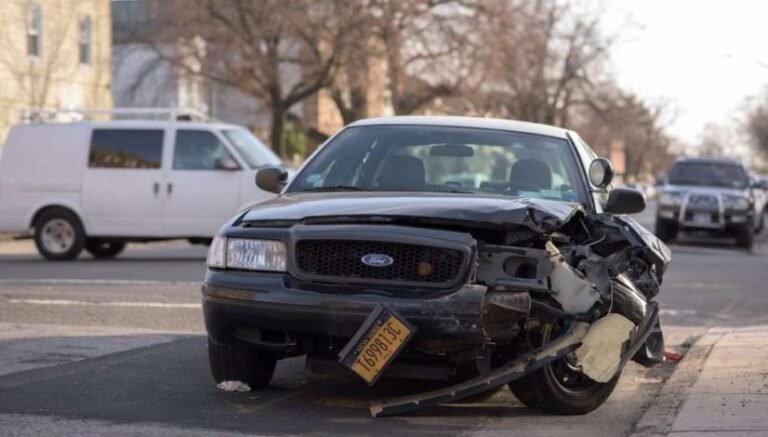

Vehicular homicide and manslaughter cases are among the most complex matters in Georgia’s criminal justice system. These cases often arise from tragic accidents, yet the legal consequences can be life-altering. One of the most influential elements in these trials is expert witness testimony. When scientific evidence, accident dynamics, and medical findings become central to a case, expert witnesses play a decisive role in shaping how facts are interpreted.
Understanding how expert witnesses function, why their opinions matter, and how their testimony is evaluated can help individuals better understand the legal process surrounding vehicular homicide trials in Georgia.

What Is an Expert Witness in a Vehicular Homicide Case?
An expert witness is a qualified professional with specialized education, training, or experience in a specific field. Unlike fact witnesses, expert witnesses are permitted to provide opinions based on technical knowledge that goes beyond common understanding.
In vehicular homicide trials, expert testimony often helps courts interpret evidence related to speed, impact force, injury causation, vehicle mechanics, and road conditions. A vehicular manslaughter defense attorney in Cumming, GA may rely on expert analysis to clarify disputed facts or challenge conclusions presented by the prosecution.
Why Expert Witnesses Matter in Vehicular Homicide Trials
Vehicular homicide cases are rarely straightforward. Prosecutors must prove more than the occurrence of a fatal accident; they must establish legal responsibility under Georgia law. Expert witnesses assist the court in understanding whether alleged conduct meets the legal threshold for criminal liability.
Expert testimony can influence how juries perceive fault, causation, and intent. A vehicular manslaughter defense attorney in Cumming, GA may use expert insight to present alternative explanations supported by science and data rather than speculation.
Common Types of Expert Witnesses Used in These Trials
Accident Reconstruction Specialists
These experts analyze physical evidence such as skid marks, vehicle damage, road design, and event data recorders. Their findings help determine speed, braking patterns, and collision dynamics.
Forensic Toxicologists
Toxicology experts evaluate blood or breath samples to determine whether substances were present and whether testing procedures followed proper protocols.
Medical and Forensic Pathology Experts
Medical professionals explain injury mechanisms, time of death, and whether injuries are consistent with prosecution claims.
Mechanical and Automotive Experts
These specialists examine vehicle systems to identify mechanical failures that may have contributed to the incident.
A vehicular homicide lawyer in Cumming, Georgia may depend on these professionals to assess evidence that could otherwise be misunderstood or oversimplified.
How Expert Testimony Can Challenge Assumptions
Many vehicular homicide cases are built on assumptions drawn from initial police reports or surface-level interpretations. Expert witnesses help test these assumptions against measurable data.
For example, expert analysis may reveal:
- Speed estimates based on unreliable calculations
- Roadway conditions affecting driver control
- Vehicle malfunctions unrelated to driver behavior
- Inaccurate interpretations of injury causation
A vehicular manslaughter defense attorney in Cumming, Georgia often evaluates whether expert testimony can expose weaknesses or gaps in the prosecution’s narrative.
The Legal Standards for Expert Witness Testimony in Georgia
Georgia courts do not accept expert testimony automatically. Judges evaluate whether an expert’s methodology is reliable, relevant, and grounded in accepted scientific principles. Credentials alone are not enough; the opinion must be supported by sound reasoning.
This legal scrutiny ensures that juries receive credible and helpful information rather than speculation. The strategic use of expert testimony can significantly impact how evidence is weighed during trial.
The Role of Experts in Establishing Reasonable Doubt
In criminal trials, the burden of proof lies with the prosecution. Expert witnesses can introduce alternative interpretations of evidence that raise reasonable doubt.
For example:
- Accident reconstruction may contradict alleged reckless driving
- Medical testimony may dispute claims about cause of death
- Toxicology experts may question test accuracy
A vehicular homicide lawyer in Cumming, Georgia may rely on expert insight to demonstrate that the prosecution’s conclusions are not the only plausible explanation.
Expert Witnesses and Jury Understanding
Vehicular homicide trials often involve technical evidence that can overwhelm jurors. Expert witnesses help translate complex data into understandable terms, allowing jurors to make informed decisions.
Clear, well-supported expert testimony can improve juror comprehension and prevent misunderstandings that might otherwise influence verdicts unfairly.
Selecting the Right Expert Witness Matters
Not all expert witnesses carry equal weight. Courts and juries evaluate credibility based on education, experience, methodology, and clarity of explanation. Poorly qualified or biased experts can undermine a case rather than strengthen it.
This is why careful expert selection is critical in serious criminal matters involving vehicular fatalities. Legal professionals assess whether an expert’s background aligns with the specific issues in dispute.
When Expert Testimony Becomes Essential
Expert witnesses are particularly important in cases involving:
- Allegations of intoxication
- Disputed speed or reckless driving claims
- Mechanical failure defenses
- Complex injury causation questions
In such situations, guidance from a criminal defense lawyer in Cumming, Georgia can help determine whether expert testimony may clarify the facts and protect legal rights.
The Long-Term Impact of Expert Evidence
Expert testimony does not only influence trials; it can affect plea negotiations, charge classifications, and case strategy decisions. Strong expert findings may encourage reconsideration of allegations or lead to alternative resolutions.
Understanding the role of expert witnesses empowers individuals to approach vehicular homicide cases with greater clarity and preparedness.
Accessing Legal Guidance in Cumming, Georgia
For individuals seeking informed guidance regarding vehicular homicide or manslaughter allegations, professional legal consultation is available at:
Address: 2100 Westshore Drive, Suite 119, Cumming, Georgia 30041
Email: jennifer@lawofficeofjenniferscalia.com
Phone: (470) 505-9791
Understanding how expert witnesses impact vehicular homicide trials can help individuals make informed decisions and navigate Georgia’s criminal justice process with greater confidence.
Frequently Asked Questions (FAQs)
1. Are expert witnesses always required in vehicular homicide trials?
Not every case requires expert testimony, but experts are often essential when technical, scientific, or medical evidence is central to the allegations.
2. Can expert testimony be challenged in court?
Yes. Expert opinions can be questioned based on methodology, qualifications, or relevance. Courts carefully evaluate whether testimony meets legal standards.
3. Do expert witnesses decide the outcome of a case?
Expert witnesses do not determine verdicts, but their testimony can significantly influence how evidence is understood and evaluated by juries.